
This page replaces the historical English-language IIC-China web host. Content here is archival and explanatory. It is not a live registration or current-event schedule page.
International Connections in Shenzhen & Shanghai
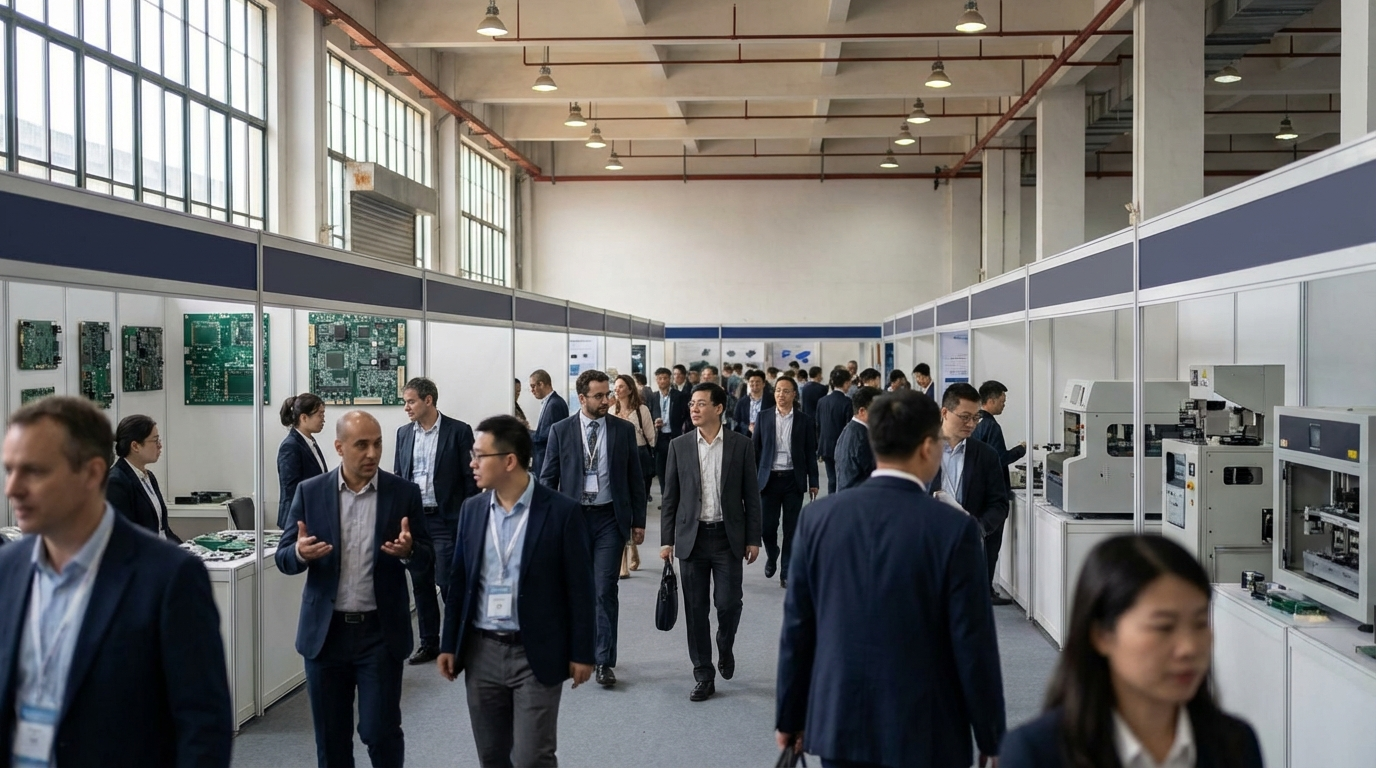
The IIC Expo's English-language conference resources served a structurally important function that extended well beyond simple translation. They represented a deliberate commitment to international market engagement — a signal to foreign engineering and procurement teams that the exhibition ecosystem was accessible and commercially relevant to non-Chinese-speaking participants.
For international buyers, the existence of English-language tracks, bilingual exhibitor materials, and English-speaking FAE staff dramatically reduced the practical effort required to evaluate Chinese suppliers and manufacturing partners. The English-facing resources were, in commercial terms, a market entry tool — one that helped integrate foreign procurement operations into the dense supply chain ecosystem of Southern China.
Global Sourcing Trends (2000–2015)
Western and European procurement teams primarily used these conferences to validate component suppliers, build trust with contract manufacturers, and gather technical intelligence on new silicon architectures entering the market from Asian foundries and fabless companies.
The English-language tracks featured at these legacy events focused substantially on compliance frameworks, international quality assurance standards, IP protection in contract manufacturing relationships, and cross-border logistics. These were the topics that mattered to buyers who needed to integrate Chinese supply chain relationships into corporate operations subject to international regulatory requirements.
Over time, the profile of English-speaking conference attendees shifted. In the early years, the majority were foreign buyers and vendor FAEs. By the later exhibition years, a growing proportion were Chinese engineers and managers who had developed English proficiency sufficient for technical conference participation — reflecting the international educational and commercial exposure of China's maturing engineering workforce.
Foreign IC Manufacturers in China
Brands from Silicon Valley, Europe, Japan, South Korea, and Taiwan used the English-facing exhibition space to conduct localized application engineering support for their China-based customer base. It was in these exhibition environments that many reference designs were localized for Chinese ODMs — translating English-language datasheets and application notes into implementable designs adapted for the specific component ecosystems and manufacturing constraints of Southern China factories.
This localization function was commercially critical. A semiconductor company that invested in strong English-track conference participation and supporting Chinese engineering resources was — in practice — investing in market adoption velocity. The companies that committed most consistently to this exhibition presence in the early years established market positions in Chinese manufacturing supply chains that proved durable across the following decade.
Language Strategy as Market Strategy
The management of language at these conferences was not a logistical afterthought — it was a market strategy decision. Companies that invested in high-quality bilingual materials, professional interpretation services, and English-proficient FAE staff demonstrated a level of market commitment that was visible and meaningful to both international buyers and Chinese engineering buyers who aspired to work with internationally credible partners.
The English Archive dimension of the IIC Expo legacy reflects this commercial significance. It documents an important aspect of how China's electronics industry opened to international participation and how international industry engaged with China as a manufacturing and technology partner.